


Quick Links

For patients living with chronic or difficult-to-treat skin conditions, biologic therapies and small-molecule inhibitors provide a highly targeted approach to treatment. Biologics and small-molecule inhibitors are advanced medications designed to target specific parts of the immune system that contribute to inflammation and disease. Unlike treatments that broadly affect the immune system, many biologics and small-molecule inhibitors work on specific proteins or pathways involved in a condition, helping reduce inflammation, improve symptoms, and provide longer-term disease control.
Trillium Creek Dermatology is one of the few dermatology practices in the area that provides biologic therapies and small-molecule inhibitors to our patients. Our experienced dermatology team evaluates each patient’s condition, medical history, and treatment needs to determine whether a biologic or other advanced therapy may be appropriate. We also help patients navigate the treatment process, from selecting an appropriate therapy to ongoing monitoring and follow-up care.
What Are Biologics?
Biologics are medications made from living cells rather than chemicals, which is what allows them to target one specific part of the immune system instead of suppressing it broadly. Biologics are administered as an injection or infusion on a regular schedule rather than as a daily pill or cream. Because they work at the source of the inflammation, biologics are often an option when topical treatments, light therapy, or oral medications have not brought a condition under control.
What are small-molecule inhibitors?
Like biologics, small-molecule inhibitors target one specific part of the immune system instead of suppressing it broadly. Small-molecule inhibitors come in the form of pills rather than injections or infusions. Because they work at the source of the inflammation, small-molecule inhibitors are often an option when topical treatments, light therapy, or traditional oral medications have not brought a condition under control.
Psoriasis
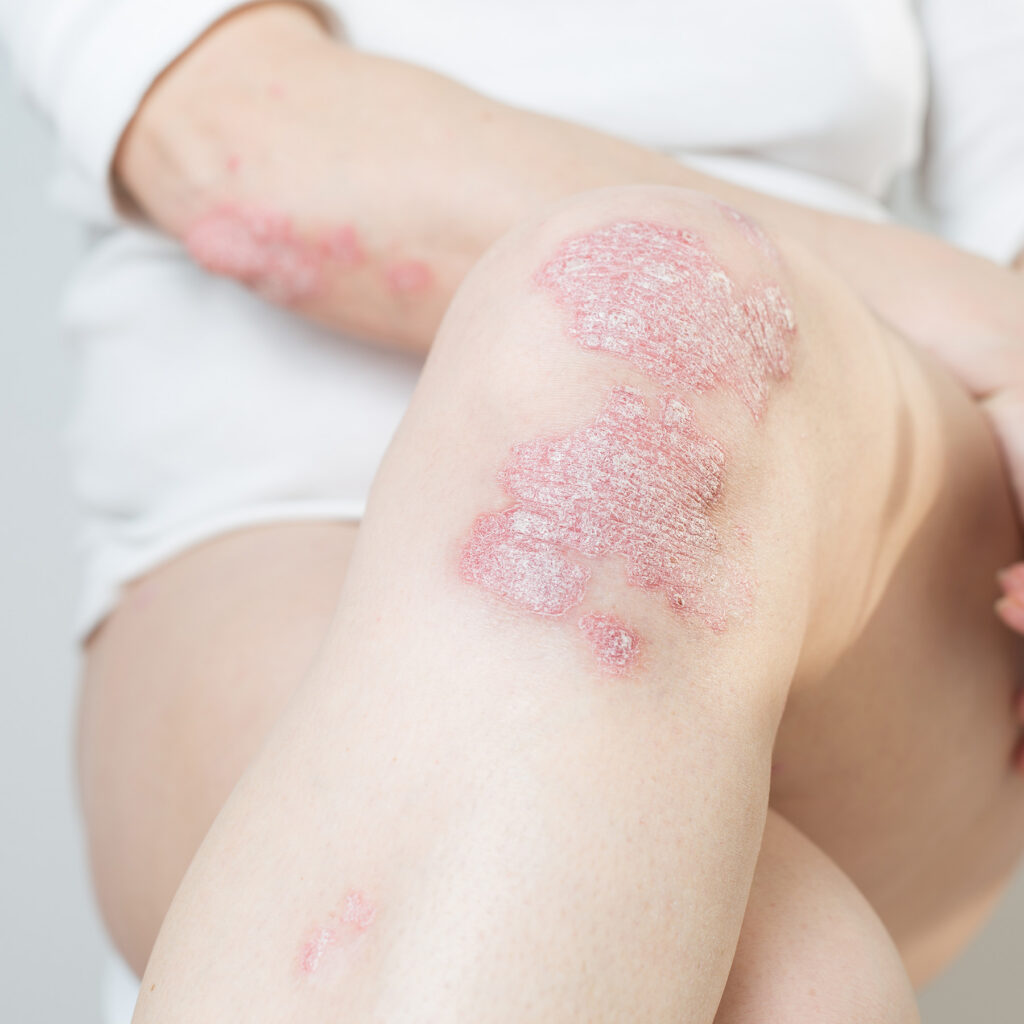
Psoriasis is a chronic immune-mediated condition that causes skin cells to build up more rapidly than normal, often resulting in raised, scaly, itchy, or uncomfortable patches. For patients with moderate-to-severe psoriasis, advanced therapies can target specific immune pathways involved in the disease.
Biologic treatments we offer include:
- Bimzelx
- Cimzia
- Cosentyx
- Enbrel
- Humira / Adalimumab Products
- Ilumya
- Siliq
- Skyrizi
- Stelara / Ustekinumab Products
- Taltz
- Tremfya
Small-molecule inhibitors we offer include:
- Icotyde
- Otezla
Atopic Dermatitis
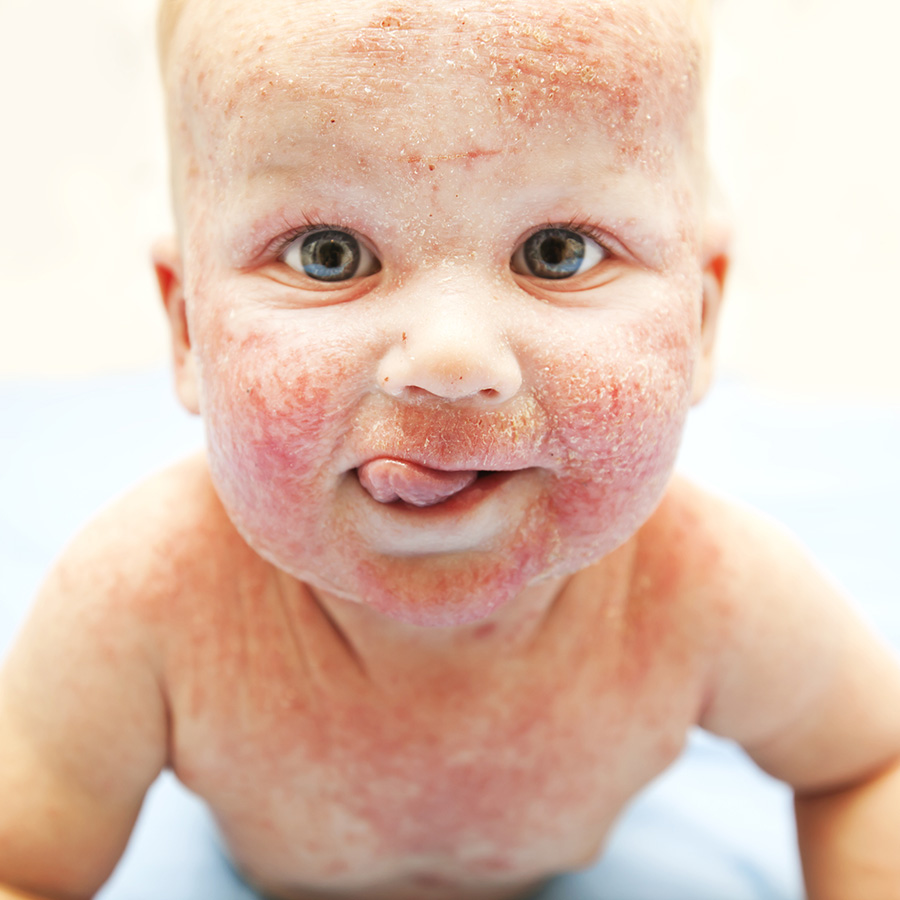
Atopic dermatitis, commonly known as eczema, is a chronic inflammatory skin condition that can cause intense itching, dryness, redness, and recurring rashes. Advanced therapies can help control the immune signals responsible for inflammation and itch.
Treatments we offer include:
- Adbry
- Dupixent
- Ebglyss
- Nemluvio
- Rinvoq
Hidradenitis Suppurativa (HS)
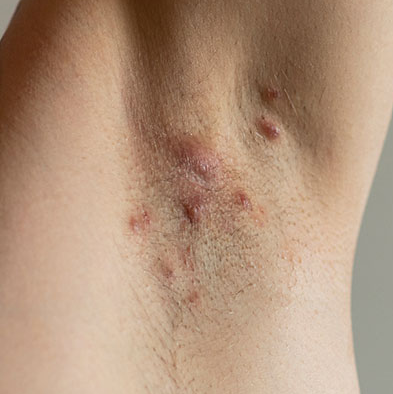
Hidradenitis suppurativa is a chronic inflammatory skin condition that can cause painful bumps, abscesses, draining areas, and scarring, most commonly in areas where skin rubs together. Advanced treatments can help reduce the underlying inflammation associated with HS.
Treatments we offer include:
- Bimzelx
- Cosentyx
- Humira / Adalimumab Products
Prurigo Nodularis (PN)
Prurigo nodularis is a chronic inflammatory skin condition characterized by intensely itchy, firm bumps or nodules. The persistent itch can significantly affect sleep and quality of life. Targeted therapies can address immune pathways involved in the itch-and-inflammation cycle.
Treatments we offer include:
- Dupixent
- Nemluvio
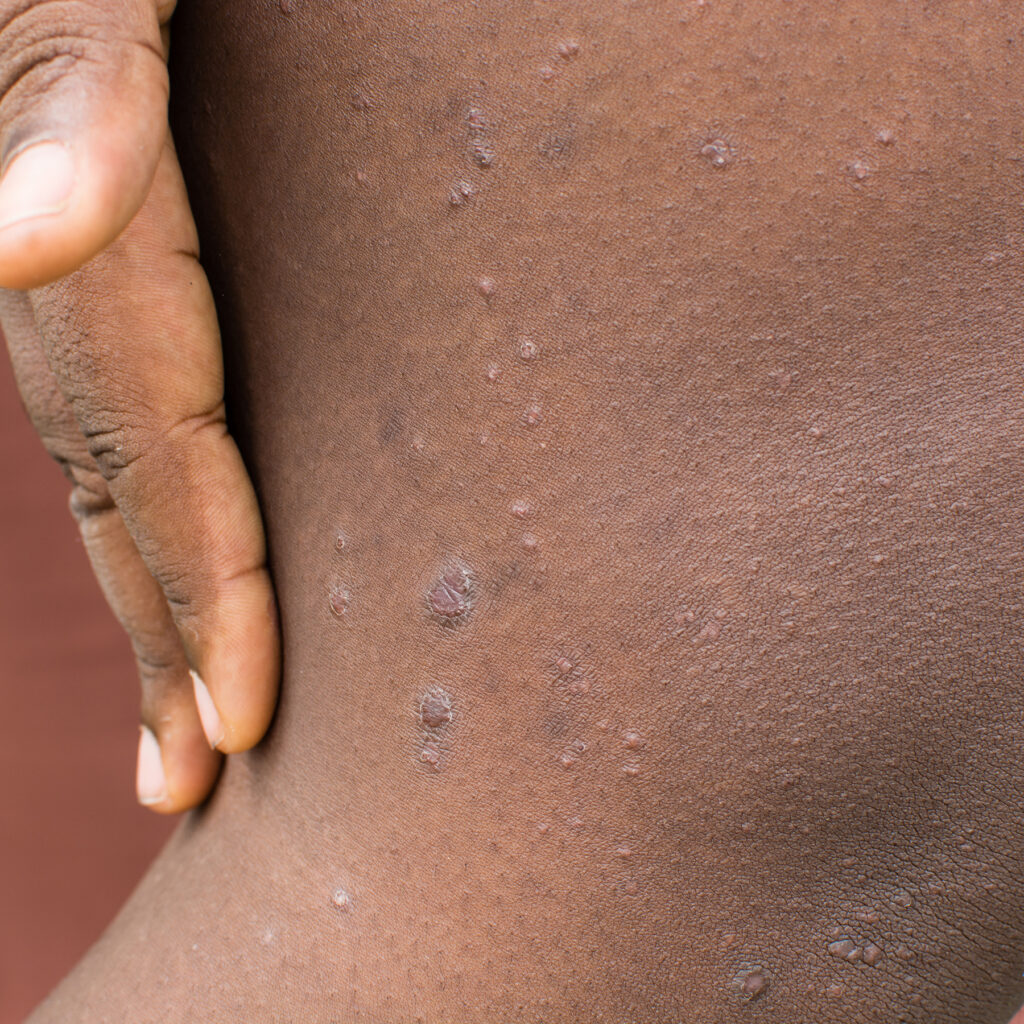
Alopecia Areata
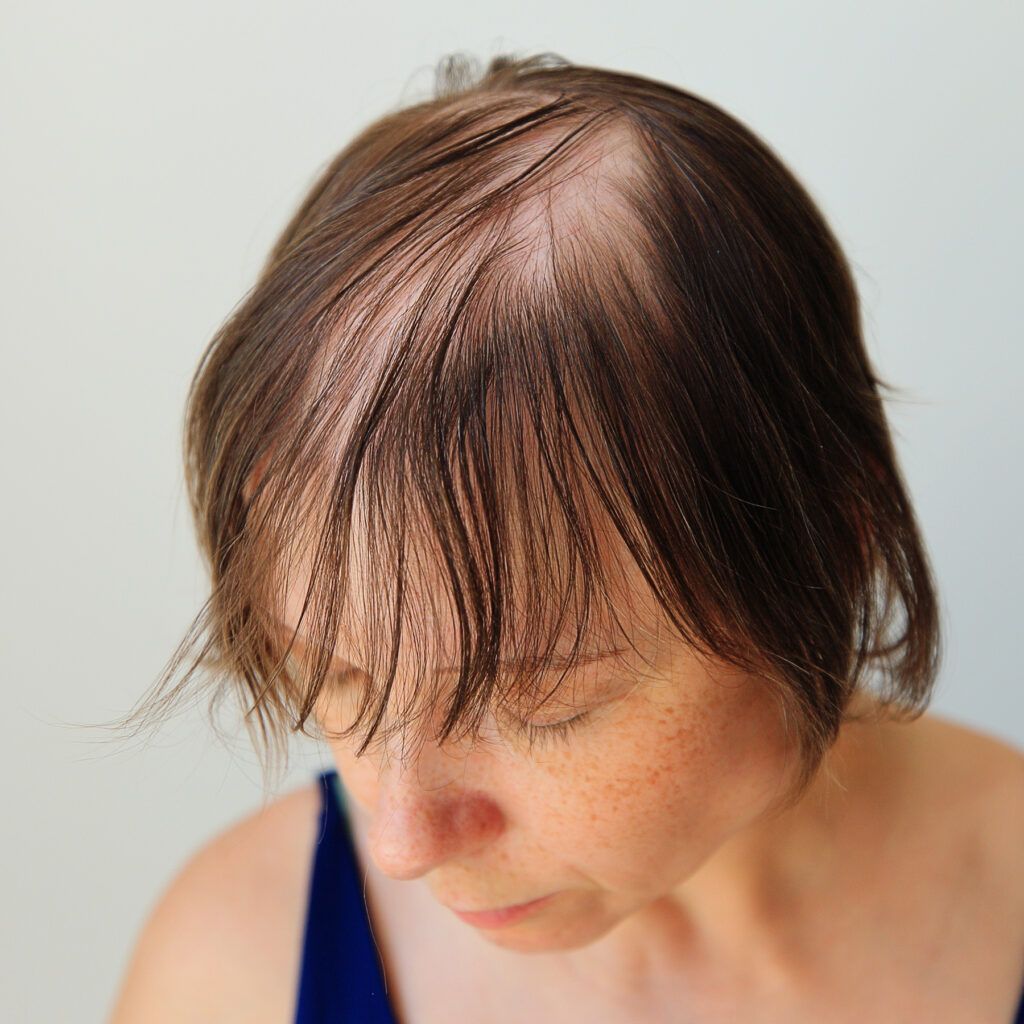
Alopecia areata is an autoimmune condition in which the immune system attacks hair follicles, resulting in sudden or persistent hair loss. Advanced targeted therapies may help interrupt the immune response responsible for hair loss and promote hair regrowth in appropriate patients.
Treatments we offer include:
- Litfulo
- Leqselvi
- Olumiant
Generalized Pustular Psoriasis (GPP)
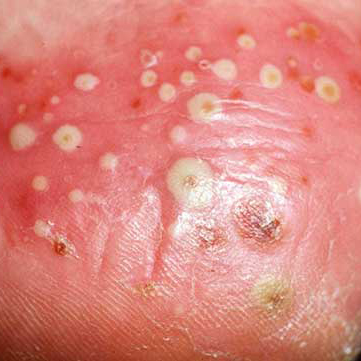
Generalized pustular psoriasis is a rare and potentially serious form of psoriasis characterized by widespread episodes of painful, pus-filled blisters and systemic inflammation. Because GPP is different from plaque psoriasis, it requires specialized evaluation and treatment.
Treatment we offer includes:
- Spevigo
Is an Advanced Therapy Right for You?
Finding the right treatment for a chronic skin condition can make a meaningful difference in both your skin and your quality of life. At Trillium Creek Dermatology, our providers have experience managing complex inflammatory and autoimmune skin conditions and can determine whether a biologic or other advanced therapy is appropriate for you.
Biologic therapy or small-molecule inhibitors are evaluated, started, and managed right here at Trillium Creek Dermatology, so patients in Brunswick, Strongsville, Medina, Wadsworth, and Wooster can receive advanced treatment close to home instead of traveling to Cleveland.
Schedule an appointment with Trillium Creek Dermatology to discuss your symptoms, previous treatments, and available options. Together, we’ll develop a treatment plan tailored to your individual needs.
Treatment eligibility and medication selection vary by patient and are determined by a healthcare provider based on diagnosis, medical history, previous treatments, insurance requirements, and other clinical factors.
Frequently Asked Questions About Biologics
Are biologics and small-molecule inhibitors safe?
Biologics and small-molecule inhibitors are FDA-approved medications that have been studied extensively, and your provider will review your medical history and order any needed screening before starting one. Like all medications, they carry potential side effects, which your provider will discuss with you, and patients on these treatments are monitored with regular follow-up visits.
How quickly do biologics and small-molecule inhibitors work?
It varies by medication and condition. Some patients notice improvement within a few weeks, while the full effect can take a few months. Your provider will set expectations for your specific treatment.
Do biologics and small-molecule inhibitors cure psoriasis or eczema?
No. Biologics and small-molecule inhibitors control these conditions rather than cure them. Many patients achieve clear or almost-clear skin while on treatment, and staying on the prescribed schedule is what maintains those results.
Are biologics and small molecule inhibitors covered by insurance?
Most biologics and small molecule inhibitors require insurance approval, and coverage varies by plan. Our team helps patients navigate prior authorizations and manufacturer savings programs as part of the treatment process. as part of the treatment process.
How are biologics and small-molecule inhibitors given?
Most biologics are self-injected at home on a set schedule after training from our team, while some are given as an infusion or in the office. Small-molecule inhibitors are daily pills. Your provider will walk you through exactly what your treatment involves.